Environment
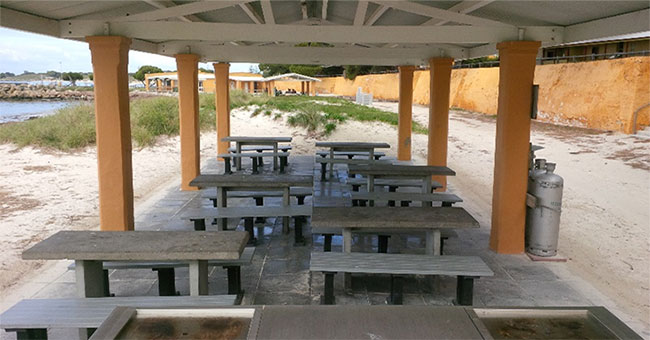
Australian-style benches made of recycled plastic bags
With about 650,000 visitors visiting each year, Rottnest Island in Western Australia has become a destination not to be missed for international travelers.
Browse ScienceInfo articles and explainers related to Plastic Bags.
39 published items.
With about 650,000 visitors visiting each year, Rottnest Island in Western Australia has become a destination not to be missed for international travelers.
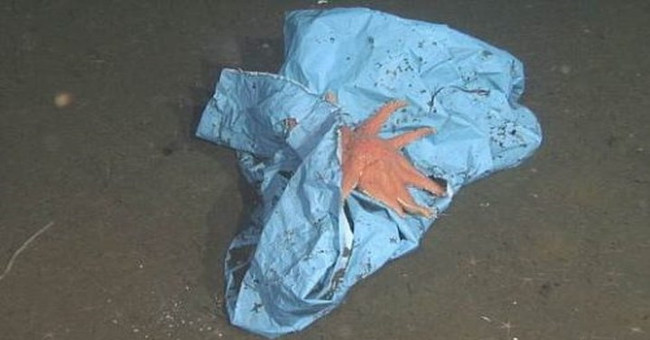
A diver used a special camera to record a naughty starfish with a large plastic bag at a depth of 10.898m.
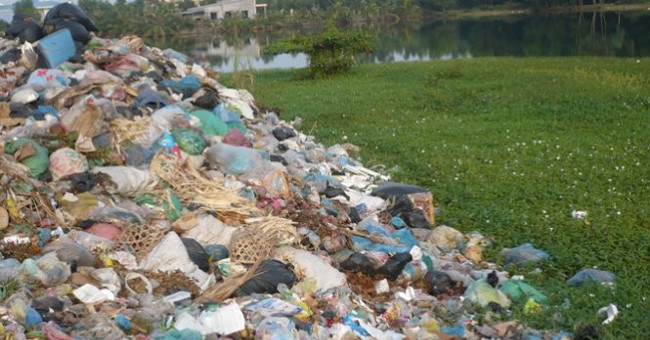
'White pollution' is a term scientists use to call about a type of contamination caused by plastic bags to the environment.
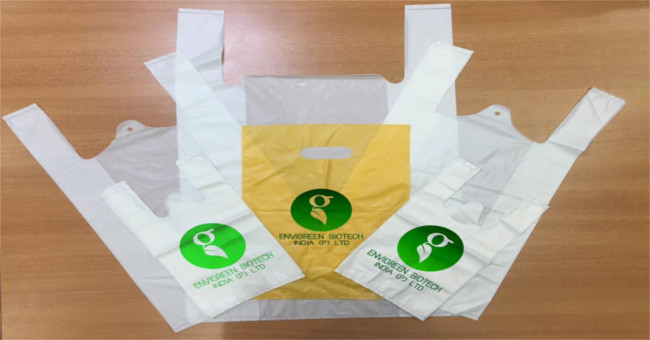
Many cities in India have restricted or banned the use of plastic bags completely, which has been welcomed by those interested in the environment.
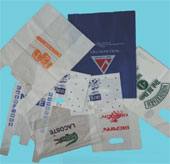
Don't throw away the plastic bags you buy every day, as it may one day be used to power your car.
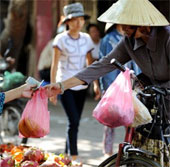
According to a survey of 100% of Hanoi people asked that they still use plastic bags in their daily activities, many others are completely unaware of the harmful effects…
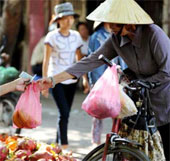
To limit the use of plastic bags, the Prime Minister asked the Ministry of Natural Resources and Environment to enact regulations prohibiting the production of non-biode…
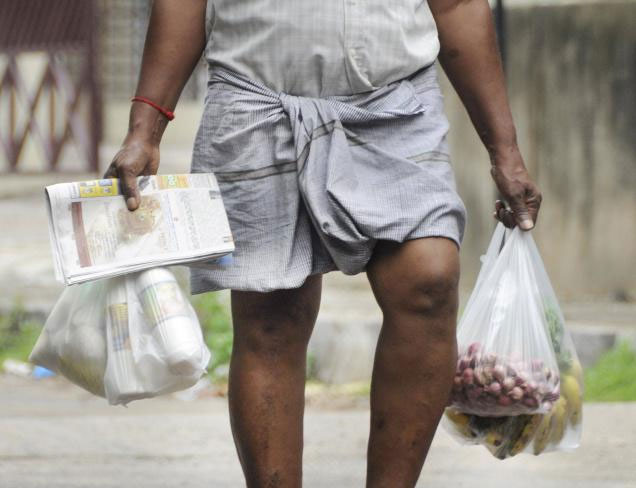
The ban on the use of plastic bags will officially take effect next week. In particular, production facilities and trade in all kinds of plastic bags will be banned in t…
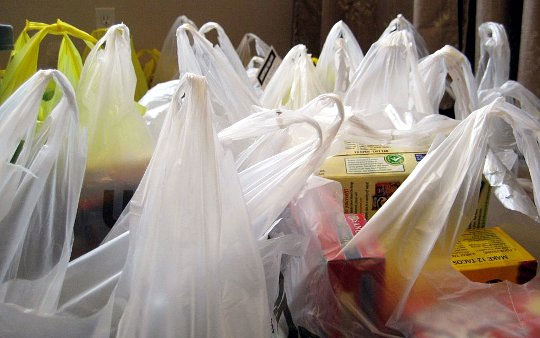
City Council of Los Angeles, California (USA) has issued a decree banning the use of plastic packaging in supermarkets, 75,000 stores in the city must switch from plasti…
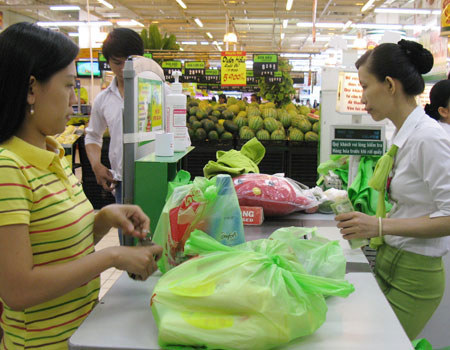
Hanoi Women's Union cooperates with Department of Natural Resources and Environment to launch the program
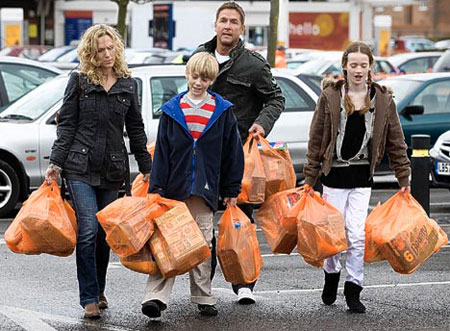
The European Commission is considering banning the use of plastic bags or imposing taxes on people who use them to reduce the level of environmental pollution.
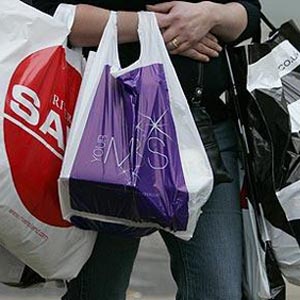
Plastic bags subject to tax will be subject to a tax of 45,000 VND / kg and gasoline and oil may be subject to an environmental protection tax of 300 - 1,000 VND / liter.

Scientists at Brazil's Campinas University have introduced a new type of bio-plastic bag that is capable of rapidly destroying itself.

In the next 18 months, British people will be taxed if they use plastic bags to store things they shop for.
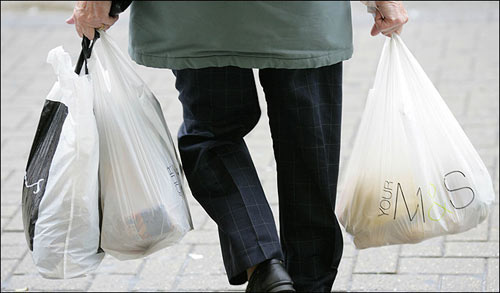
The campaign to limit the use of plastic to protect the environment initiated by UK retailers in 2007 has yielded quite satisfactory results.